Honestly, I use AI assistants every single day. They are incredible for brainstorming, drafting, and speeding up research. But on their own, they are not SEO tools.
That said, things are changing. With the right agentic workflow and real-time data access, AI can start doing things that used to require dedicated SEO platforms. But most people are not there yet, and out of the box, here is what AI still cannot do.
AI assistants cannot see what is ranking right now. SEO tools analyze today's search results and show you what is actually winning on Google this week in your niche. AI works from training data, so it is making educated guesses, not pulling live SERP insights. With an agentic setup that connects to a SERP API, this changes. But without that, you are flying blind.
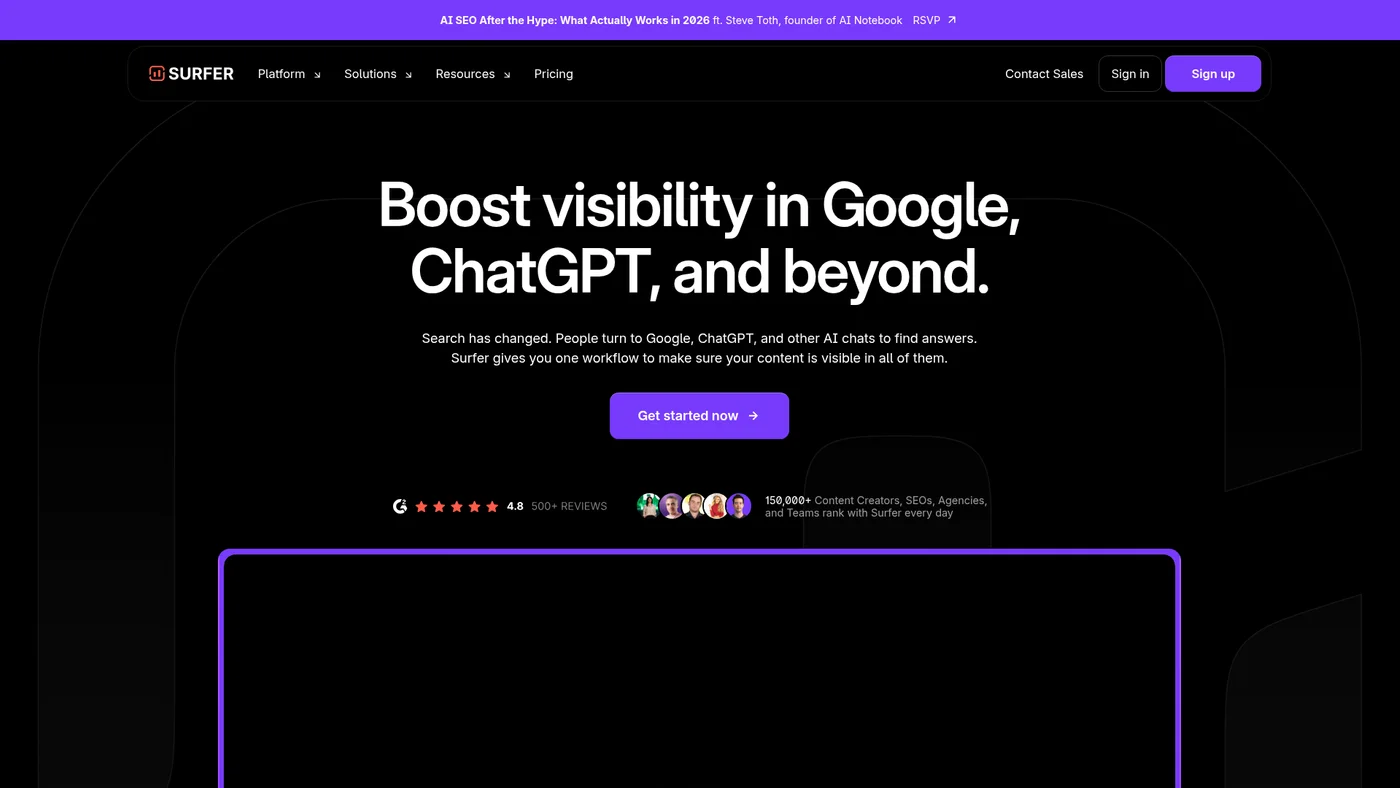
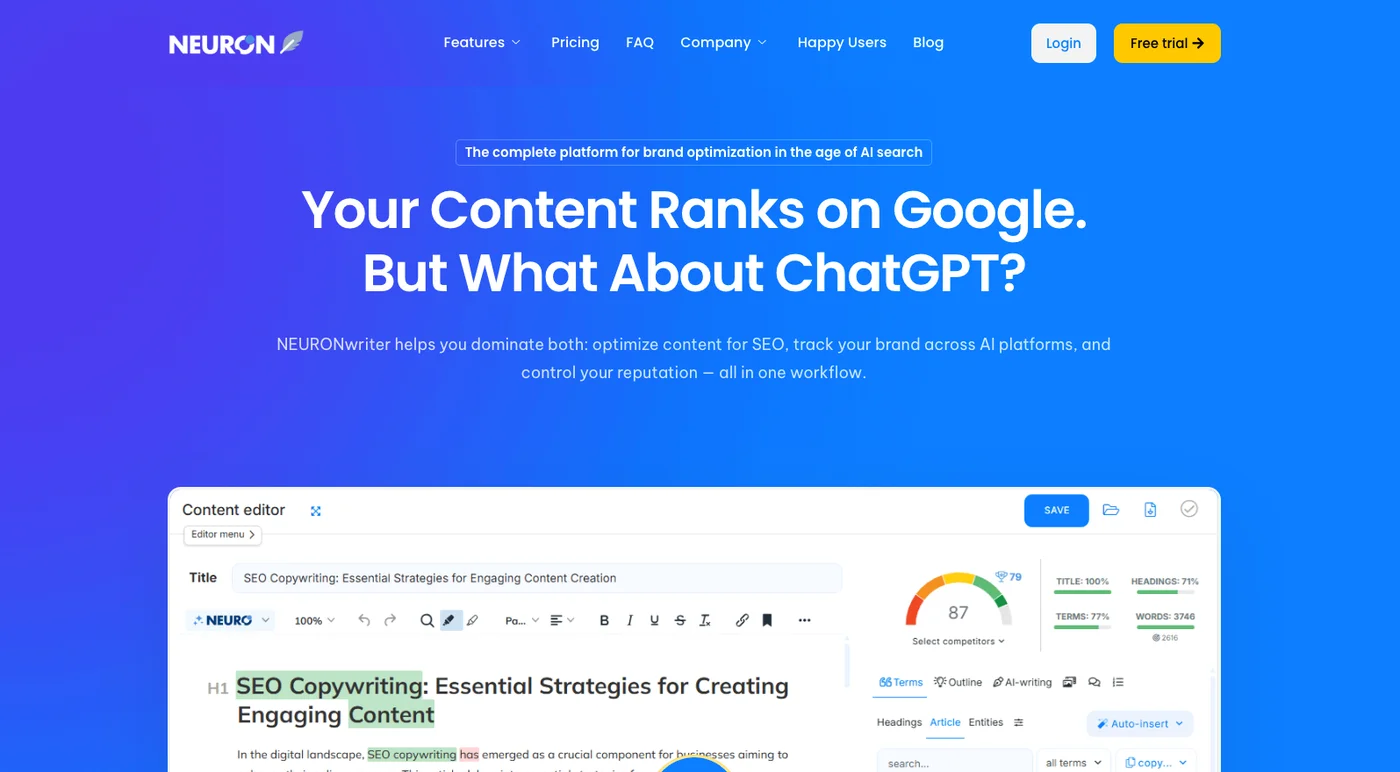
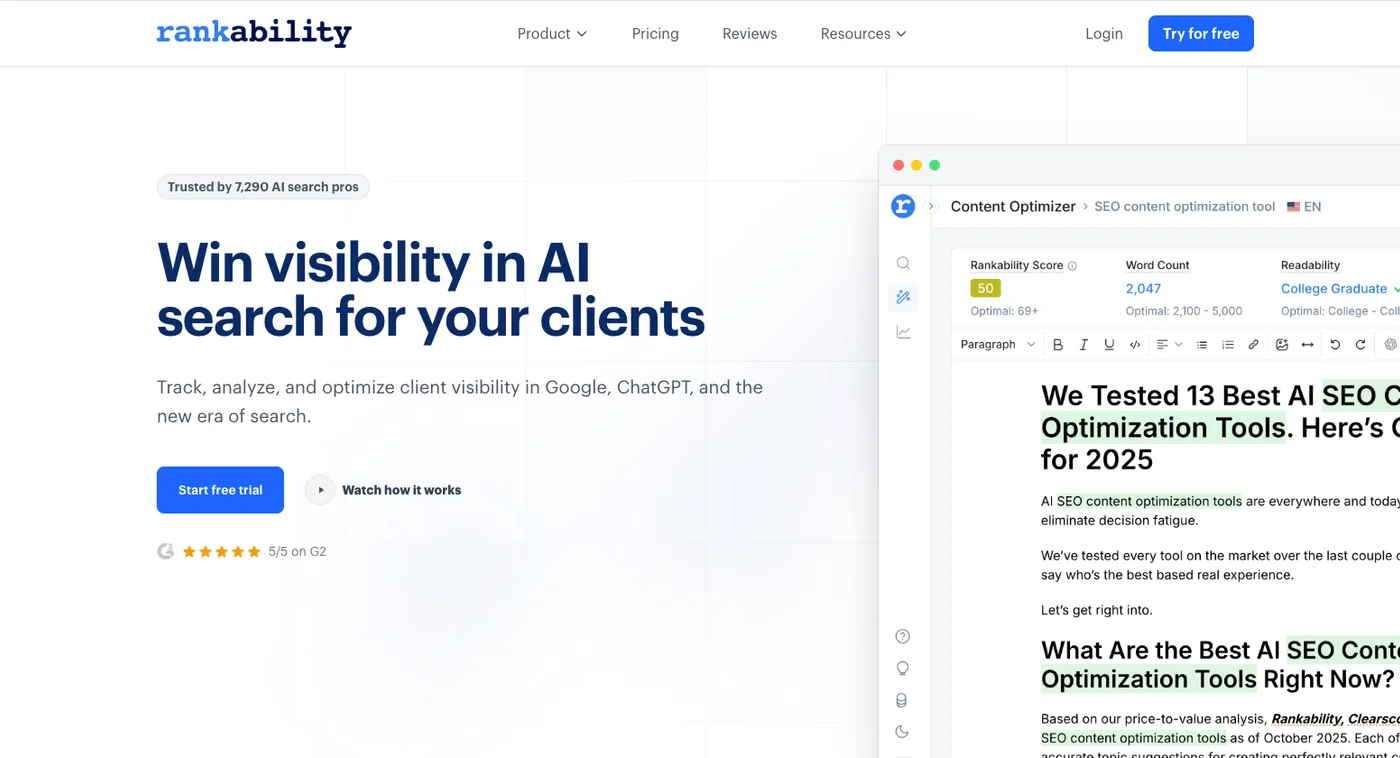
There is no live content scoring either. Tools like SurferSEO score your content as you write, telling you exactly which terms to add and where. AI can suggest keywords, but it cannot compare your draft against the top 10 ranking pages or flag missing semantic gaps. An agentic workflow could scrape top results and feed that context to the AI, but that takes setup most users do not have.
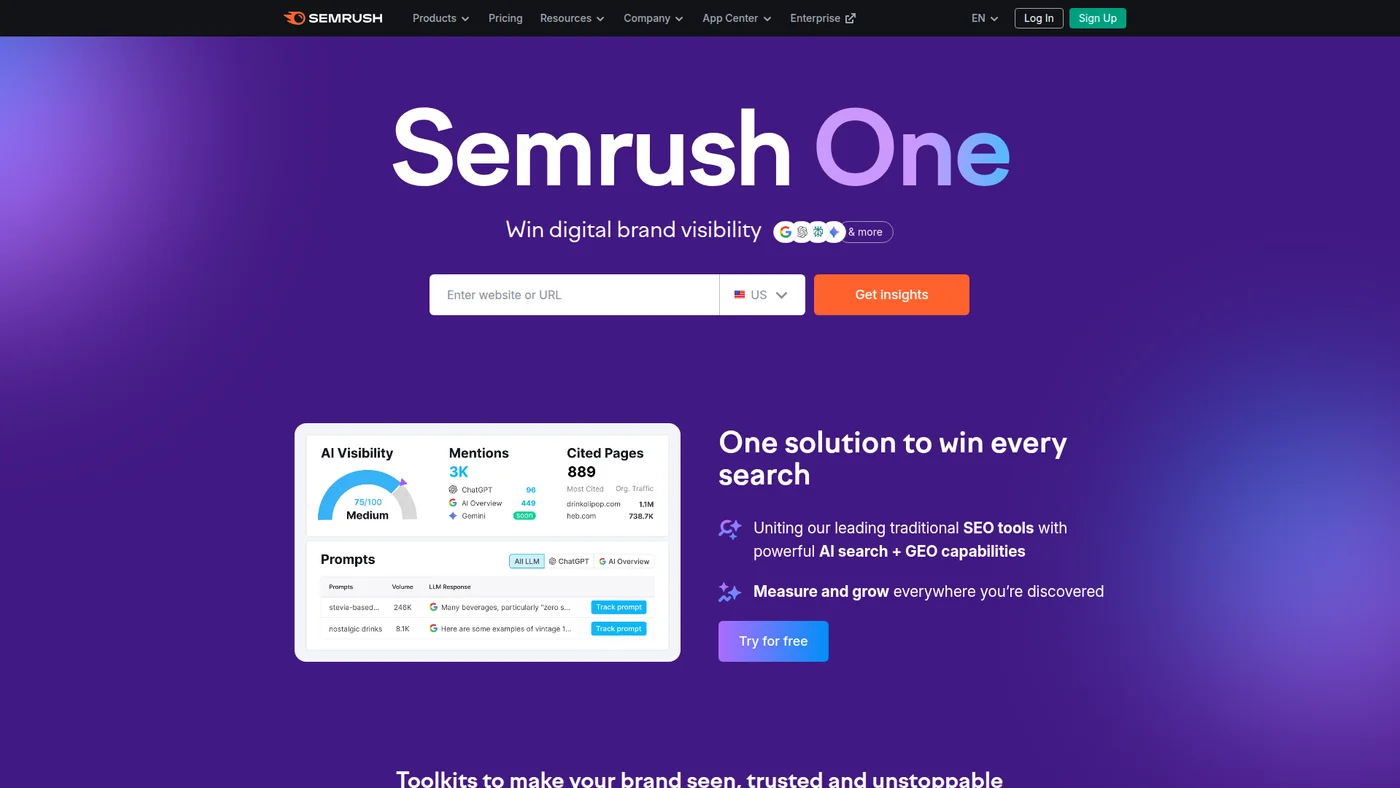
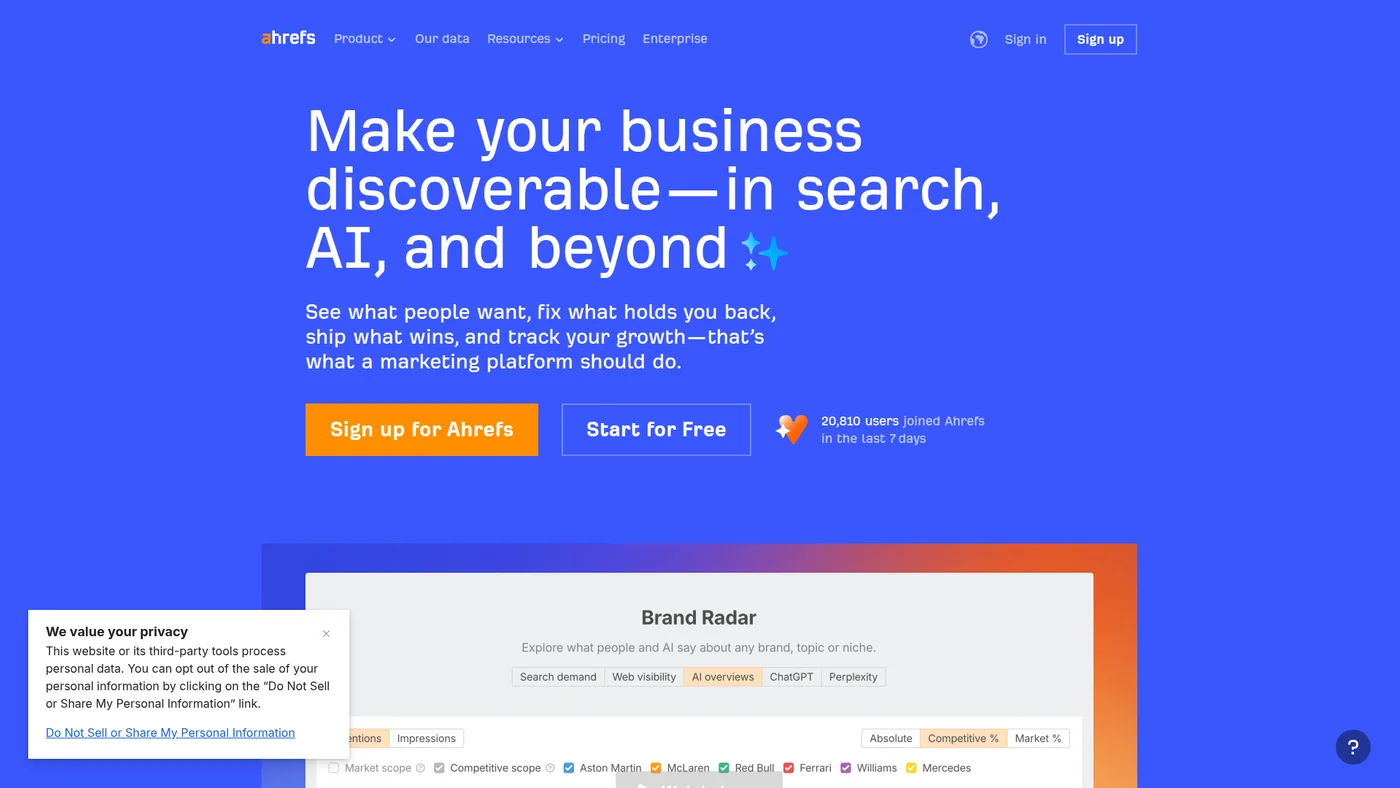
AI also cannot pull real keyword data. Search volume, keyword difficulty, cost per click. It can brainstorm keyword ideas all day, but you will still need Ahrefs, Semrush, or LowFruits to validate those ideas with real numbers. Unless your workflow pulls from a keyword API, AI is just guessing which terms are worth your time.
No competitor deep dives either. SEO tools show you exactly what your competitors rank for, their backlink sources, and content gaps you can target. AI can suggest strategies, but it cannot crawl competitor sites or reverse-engineer their SEO. Agentic setups with web scraping can get closer, but it is not plug and play.
And no technical audits. Broken links, crawl errors, missing meta tags, slow pages. AI can explain these concepts, but it cannot crawl your actual site or track your rankings over time. You would need to connect it to a crawler or monitoring tool for that.
The smart play today is to use both. AI and SEO tools work best together. Use AI for topic ideas, outlines, first drafts, meta descriptions, and rewording clunky sentences. Use SEO tools for validating keywords, optimizing against real SERPs, tracking rankings, and technical audits.
If you are interested in how AI is changing search visibility, check out my best AI search visibility tools list.
And if you are technical enough to build an agentic workflow that connects AI to live SEO data? You are probably ahead of 99% of the market.